Quick Answer
Reapply if:
- You've significantly improved your resume
- The job description has changed
- You've gained new relevant skills
- It's been 3-6+ months since you applied
- You never heard back and never interviewed
Don't reapply if:
- You interviewed and were rejected (unless requirements changed)
- The posting says "previous applicants will be considered"
- Your qualifications haven't changed
- Less than 2-3 weeks have passed
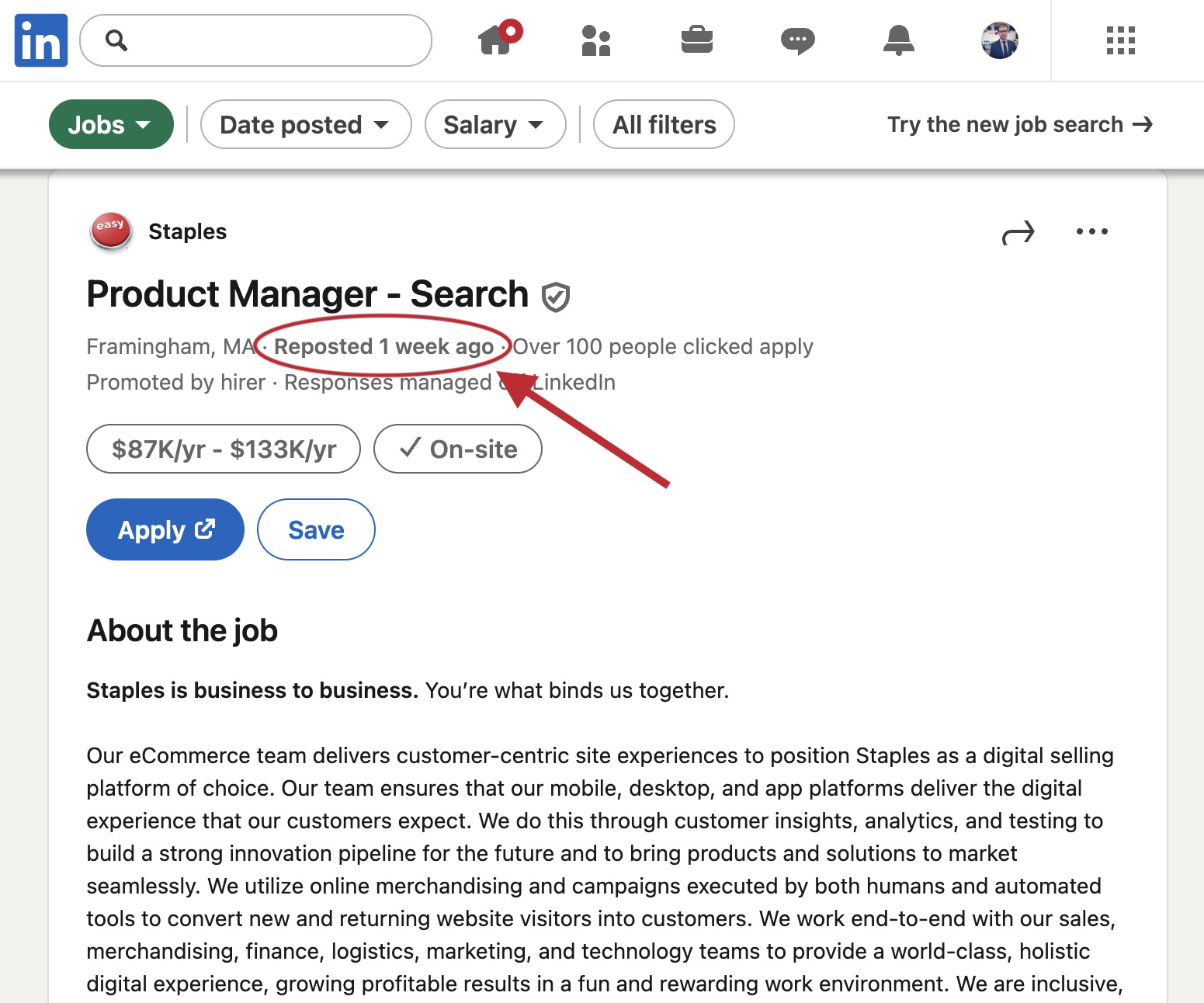
You applied two weeks ago. You felt good about it. Then you see it again—the same job, now marked "Reposted" in your feed. Does this mean you didn't get it? Should you try again, or is reapplying just wasting your time?
This is one of the most frustrating situations job seekers face. Here's how to decide what to do.
Understanding the emotional weight
Seeing a job reposted after you've applied, especially if you interviewed, can feel like a gut punch. It's natural to interpret it as rejection, even without official word from the company. You might wonder: "Was I not good enough? Did they hate me? Am I wasting my time?"
Here's the truth most job seekers don't realize: a repost usually has nothing to do with you personally. Before you spiral or make a hasty decision about reapplying, it helps to understand why companies repost jobs in the first place.
Talking with job seekers who use HideJobs, I've heard this scenario dozens of times. The emotional weight of seeing a repost can push people toward hasty reapplications that hurt more than help. Most of them, after stepping back, realized the repost had nothing to do with their specific application.
Why jobs get reposted
Understanding why jobs get reposted helps you decide if reapplying makes sense. According to TopResume, here are the most common reasons:
Weak applicant pool. The hiring manager didn't receive enough qualified applications during the initial posting. According to The Job Helpers, many qualified candidates get eliminated early because their resumes weren't compatible with Applicant Tracking Systems (ATS) or contained deal-breaker mistakes.
Job requirements changed. After reviewing applications or interviewing candidates, hiring managers realized the job posting needed to be changed to more accurately reflect the opportunity.
Job offer fell through. Sometimes an employer extends an offer that gets declined, or a prospective employee accepts then changes their mind. If there's no strong backup candidate, the job gets reposted.
When NOT to reapply
There are clear situations where reapplying wastes everyone's time:
You were eliminated during interviews. If you previously interviewed for the role, were rejected, and the job requirements haven't changed since the position was reposted, there's no point applying again.
Previous applicants are still being considered. If the new posting explicitly states prior applicants are still in the running, your candidacy is still in contention and there's no need to reapply.
Your resume hasn't changed. According to Optim Careers, if you haven't edited your resume, it's foolish to apply a second time and expect different results. The hiring manager already reviewed the existing pool and is looking for new candidates.
When TO reapply
According to career experts, there are several situations where reapplying makes sense:
Your resume has been professionally rewritten. If you've had your resume professionally rewritten or significantly improved since your first application, career experts at Indeed say it's worth giving your new resume a shot at the opportunity.
You failed to customize your resume the first time. Even a solid resume can get rejected if it wasn't tailored for the specific job listing. Take a closer look at the job requirements to ensure your resume clearly highlights your qualifications.
You fixed errors. If your original resume contained typos or grammatical errors, fix them and reapply. Research shows that 61% of recruiters consider typos deal-breakers, and spelling and grammar mistakes are the number one resume mistake that causes recruiters to reject candidates.
Your initial resume wasn't ATS compatible. Research shows that 98.4% of Fortune 500 companies use Applicant Tracking Systems to screen applications. If your resume wasn't optimized with the right keywords, it may never have reached the hiring manager.
The scenario that hurts most: Reposted after interview
Seeing a job reposted after you interviewed is particularly painful. According to Indeed, this can happen for several reasons:
- The company is extending the candidate pool to reach more people
- They realized they need different skills than originally expected
- The position is about to expire and they're renewing it
Most of the time, a repost after interviewing means the selection process has run its course and no viable candidate was selected. It doesn't necessarily mean you were rejected. It could mean they didn't select anyone.
What to do: If the job description is identical to when you interviewed, move on. If it changed significantly, you could reapply with materials tailored to the new requirements.
Best practices if you decide to reapply
DO:
- Revise your resume significantly. Don't just resubmit the same materials. Make meaningful improvements based on the job description.
- Optimize for ATS. Use keywords from the job posting and ensure your resume is formatted correctly for Applicant Tracking Systems.
- Seek an employee referral if possible. The data is striking: referred candidates are 4 times more likely to be hired than those who applied through company websites. Some studies show referrals are 3-4 times more likely to get hired than non-referral candidates.
- Update your cover letter. Address your continued interest and mention any new skills or experiences gained since your initial application.
DON'T:
- Apply with identical materials. The hiring manager already saw your first application. Sending the same thing again won't get different results.
- Reference your previous rejection. Unless specifically asked about it, focus on what makes you a strong candidate now.
- Sound desperate. Frame your reapplication around your qualifications and fit for the role, not your need for a job.
The reality: Is it worth your time?
Here's the truth: the vast majority of companies don't encourage candidates to reapply after addressing gaps in their qualifications.
Focus your energy on fresh opportunities unless something meaningful has changed about the job or your qualifications.
How HideJobs helps
The confusion around reposted jobs wastes valuable time. When 20-40% of your search results are jobs you've already reviewed, you're losing hours each week.
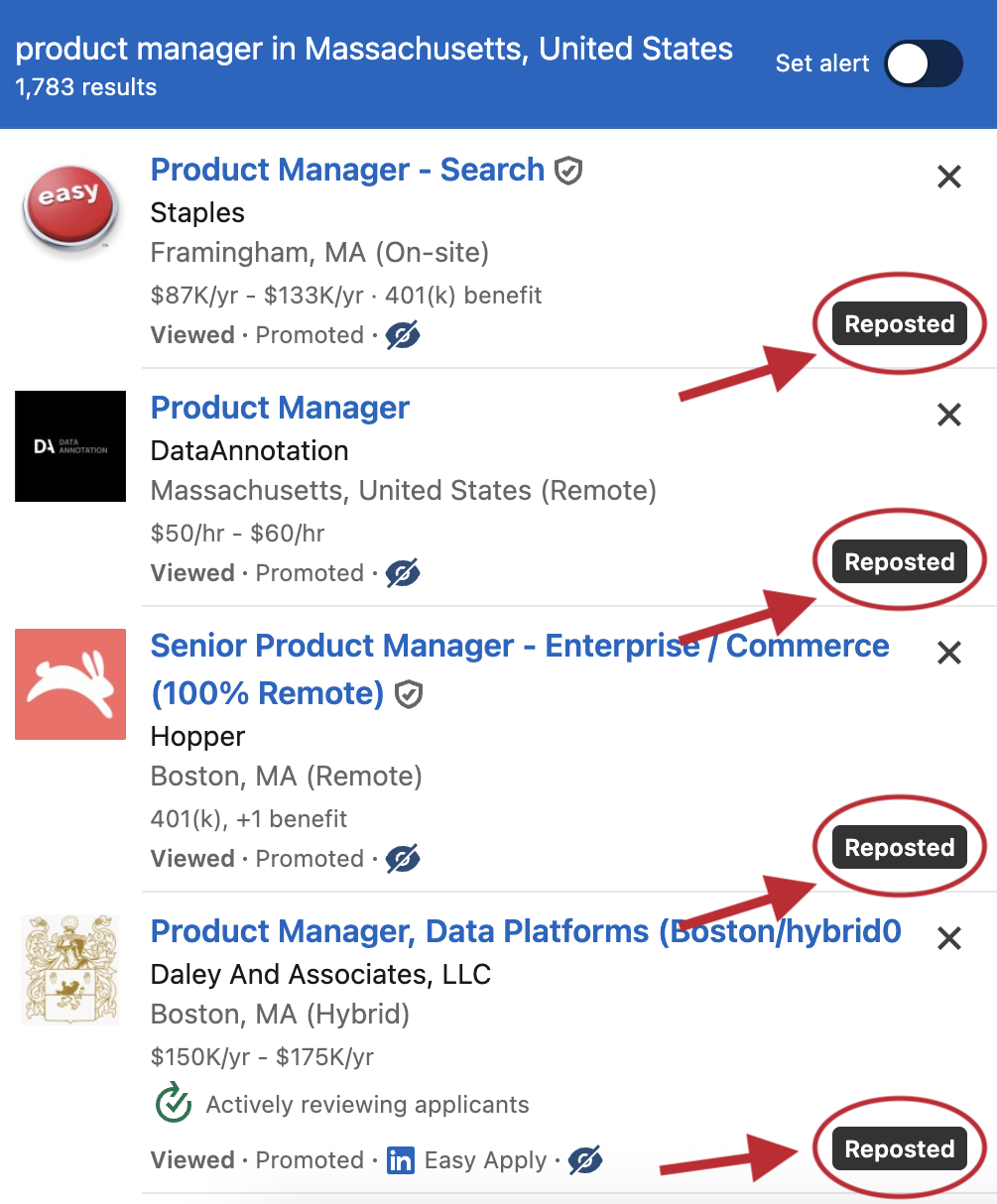
HideJobs Deep Scanner solves this:
- Flags reposted jobs before you waste time reviewing them again
- Shows your scan history so you know exactly what you've seen
- Lets you hide reposts entirely for a clean view of only fresh opportunities
- Combines with other filters to hide jobs from unwanted companies or jobs you've already applied to
When you're spending 10-15 hours per week job searching, having clear visibility into which jobs are reposts can save you 2-4 hours weekly. Over a typical 12-week job search, that's 24-48 hours reclaimed.
The bottom line
Should you reapply to a reposted job? Only if something meaningful has changed about either the role or your qualifications.
Default to focusing on new opportunities. Your time is better spent on fresh job postings, especially within the first 48 hours, and on securing employee referrals whenever possible.
Reapply strategically, not desperately. If you do reapply, make sure you've genuinely improved your candidacy, not just hoping for different results with the same materials.
Use tools to avoid confusion. HideJobs helps you track which jobs you've already seen so you can make informed decisions about where to invest your time.
The job search is hard enough without added confusion from reposted listings. Take control of your search, make strategic decisions based on facts, and focus your efforts where they're most likely to pay off.

Anton writes about job search problems from firsthand experience. He builds tools to solve issues like repeated listings, irrelevant results, and inefficient filtering across job platforms.
Related Resources:
- How to Filter Out Reposted Jobs on LinkedIn - Remove duplicate job listings from your search
- How to Hide Applied Jobs on LinkedIn - Automatically filter jobs you already applied to
- Should You Apply to Jobs with 100+ Applicants? - Understand your real competition and when to apply